
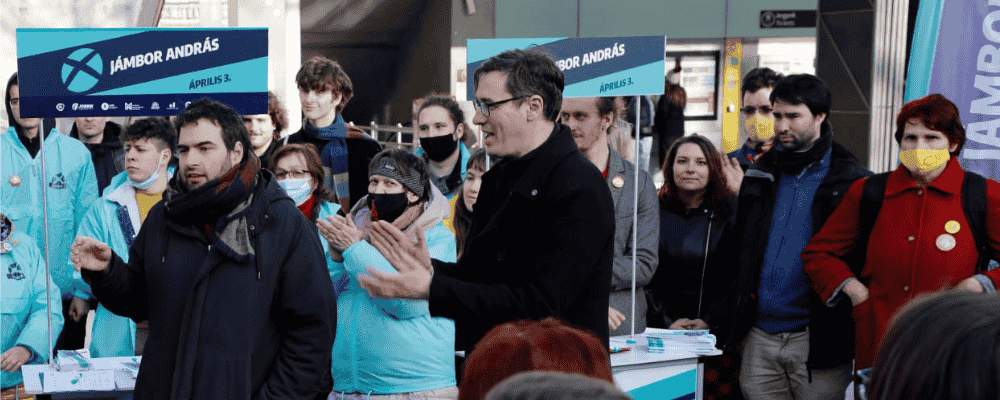
Budapest Mayor Questioned by Police for Defying Ban with Massive LGBTQ+ Pride March
BUDAPEST, August 1, 2025 – Budapest’s liberal mayor, Gergely Karácsony, has been formally questioned by Hungarian police for his role in organizing a banned LGBTQ+ Pride event that defied government restrictions and drew one of the largest protest crowds in the country’s recent history.
The mayor confirmed that he was summoned as a suspect for allegedly helping facilitate the June 28 Budapest Pride march, which had been outlawed under a controversial new law introduced by Prime Minister Viktor Orbán’s government. While police did not disrupt the event itself, authorities have since launched investigations into its organizers and political backers, including Karácsony.
“I told police I would not answer questions,” Karácsony said in a statement shared after the questioning. “I am proud to have stood on the side of freedom.” He added that he viewed the probe as politically motivated and vowed to continue defending the rights of LGBTQ+ citizens and all those facing discrimination.
The Pride march—which was held under the banner “Budapest Pride Freedom”—was strategically rebranded as a city-run celebration to avoid legal restrictions. Organizers argued that because it was initiated by the city, it required no special permit. This move allowed tens of thousands—estimates range from 100,000 to 300,000—to participate in what became not only a celebration of LGBTQ+ identity, but also a major act of civil resistance against Orbán’s hardline regime.
In March, Orbán’s ruling Fidesz party passed a law banning LGBTQ+ demonstrations and Pride marches outright, citing the need to “protect children.” The legislation also expanded surveillance powers, permitting the use of facial recognition technology to identify Pride attendees—sparking widespread criticism from human rights groups and the European Union.
Though the authorities have not arrested individual marchers, legal pressure has intensified against key figures and institutions behind the event. The government has not clarified whether it plans to bring formal charges against Karácsony, who is widely viewed as a leading opposition figure ahead of Hungary’s 2026 general election.
The Budapest Pride event marked a rare and visible display of unity across Hungary’s fractured opposition spectrum. Protesters waved rainbow flags alongside national ones, chanting pro-democracy slogans and calling for the repeal of what they call discriminatory, authoritarian laws. For many, the event was about more than LGBTQ+ rights—it became a broader referendum on the future of civil liberties and democratic values in Hungary.
International rights groups, including Amnesty International and Human Rights Watch, have condemned Hungary’s anti-LGBTQ+ laws and described the questioning of Karácsony as “an intimidation tactic” designed to silence dissent. The European Commission is reportedly reviewing Hungary’s new restrictions as potential violations of EU law.
Karácsony, who previously ran against Orbán in the 2022 election and is rumored to be considering another bid in 2026, said the government’s actions show “they fear not just the rainbow flag, but the will of the people.”
The standoff underscores growing tensions between Orbán’s nationalist, socially conservative agenda and urban liberal centers like Budapest, where support for LGBTQ+ rights and democratic reform remains strong.
As Hungary heads into another contentious election cycle, many observers view the government’s response to the Pride march as a litmus test for broader freedoms of assembly, speech, and expression under Orbán’s rule.
Leave your comment
You must be logged in to post a comment.